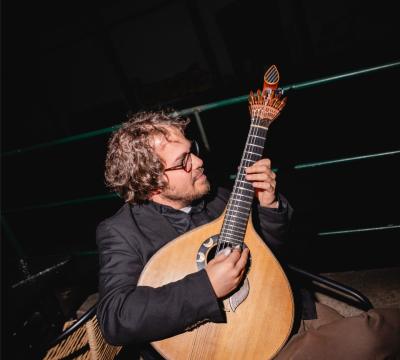
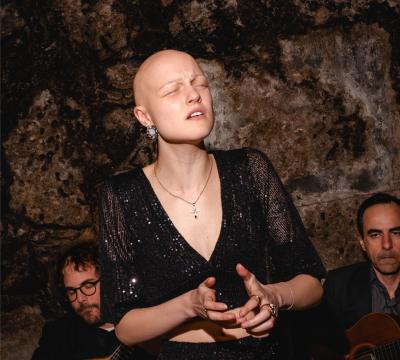
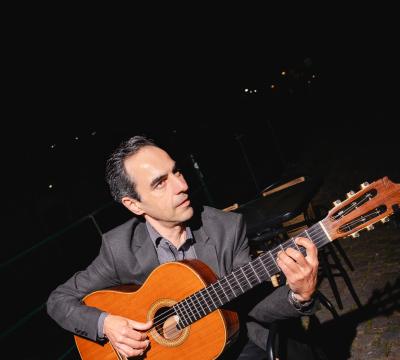
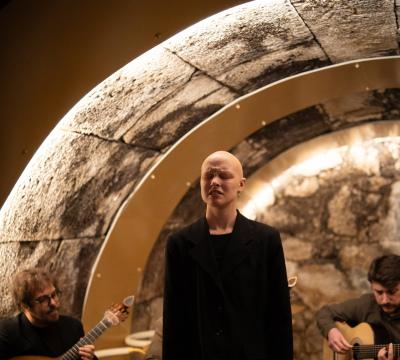
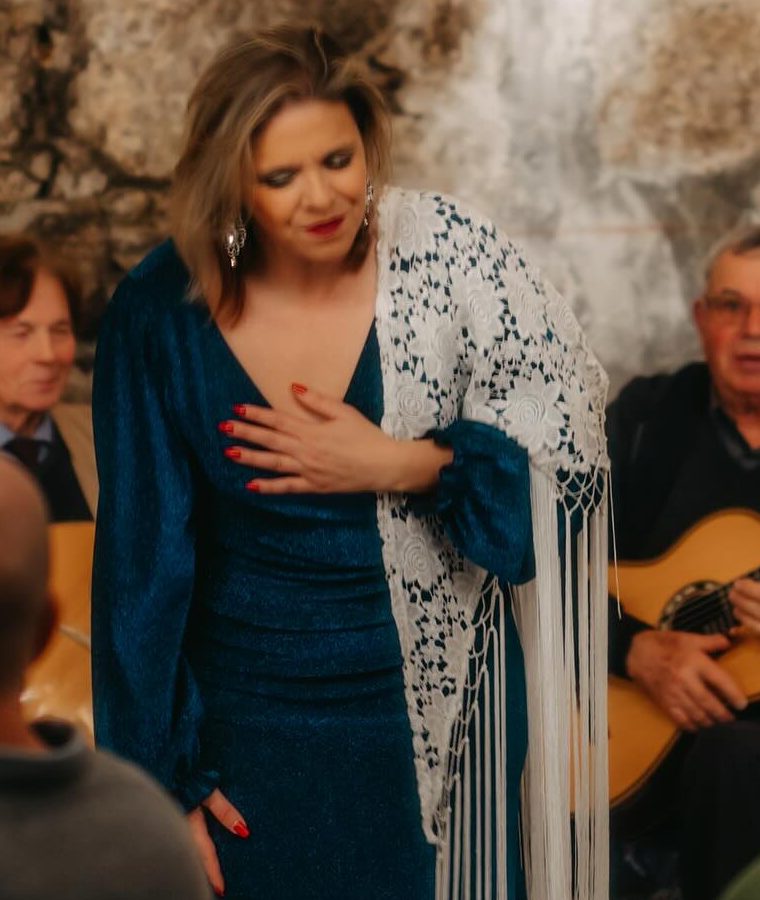
Fado is a Portuguese urban song, born in Lisbon in the first half of the 19th century, among the streets, the taverns and the river. It is sung solo, accompanied by Portuguese guitar and viola, and what sets it apart is not the melody: it is what the voice does with it.
UNESCO inscribed it on the list of the Intangible Cultural Heritage of Humanity in 2011. That is why hearing fado in Portugal is not watching a folklore show: it is hearing a living tradition, one that keeps changing with whoever sings it.
The word that always walks beside it is saudade, and it has no exact translation in any language. It is the absence of something you once had, or never quite had. Fado sings that, and it also sings jealousy, the sea, the neighbourhood and the life that turned out the way it turned out.
There are two fados, and they are not the same. Fado de Lisboa, which is what is sung in this house, belongs to the voice and the room, and is sung by women and men alike. Fado de Coimbra belongs to students, is sung only by men, in cape and gown, and is heard standing and in the dark.